Whole-person wellness, made human
Wellness, explained for real life.
Clear, thoughtful guidance for your mind, relationships, habits and everyday wellbeing—without perfection, pressure or pseudoscience.

Begin where you are
What would you like support understanding today?
You do not need a diagnosis, a ten-step plan or the “right” words. Choose the doorway that feels closest to your day.
The eWellness wheel
Five parts of wellbeing. One connected life.
Wellness is rarely one isolated habit. A difficult night can change your patience; a tense conversation can live in your shoulders; a brief pause can change what happens next. Our editorial framework helps you see those connections without reducing your life to a score.
How we approach wellness
Mind
Your inner life deserves more than quick fixes.
Emotional awareness is not endless self-analysis. It is the practical ability to notice stress, name a need and choose a response with a little more freedom. Explore grounded ways to understand feelings, strengthen resilience and recognise when extra support could help.
Explore mental wellnessStress & resilience
Stress is information—not a personal failure.
Learn how overwhelm can show up in attention, sleep, relationships and the body. Then build a response around rest, boundaries, steady routines and people you trust.
- Recognise your stress signals
- Make room for genuine recovery
- Protect time and energy with clearer boundaries
- Know when coping alone is no longer enough
Connection
Relationships are part of wellness.
Connection can steady us, stretch us and sometimes hurt. Our relationship coverage takes communication, trust, boundaries, breakups, betrayal and intimacy seriously—without pretending one script fits every partnership.
Start with the relationships guide
Practice
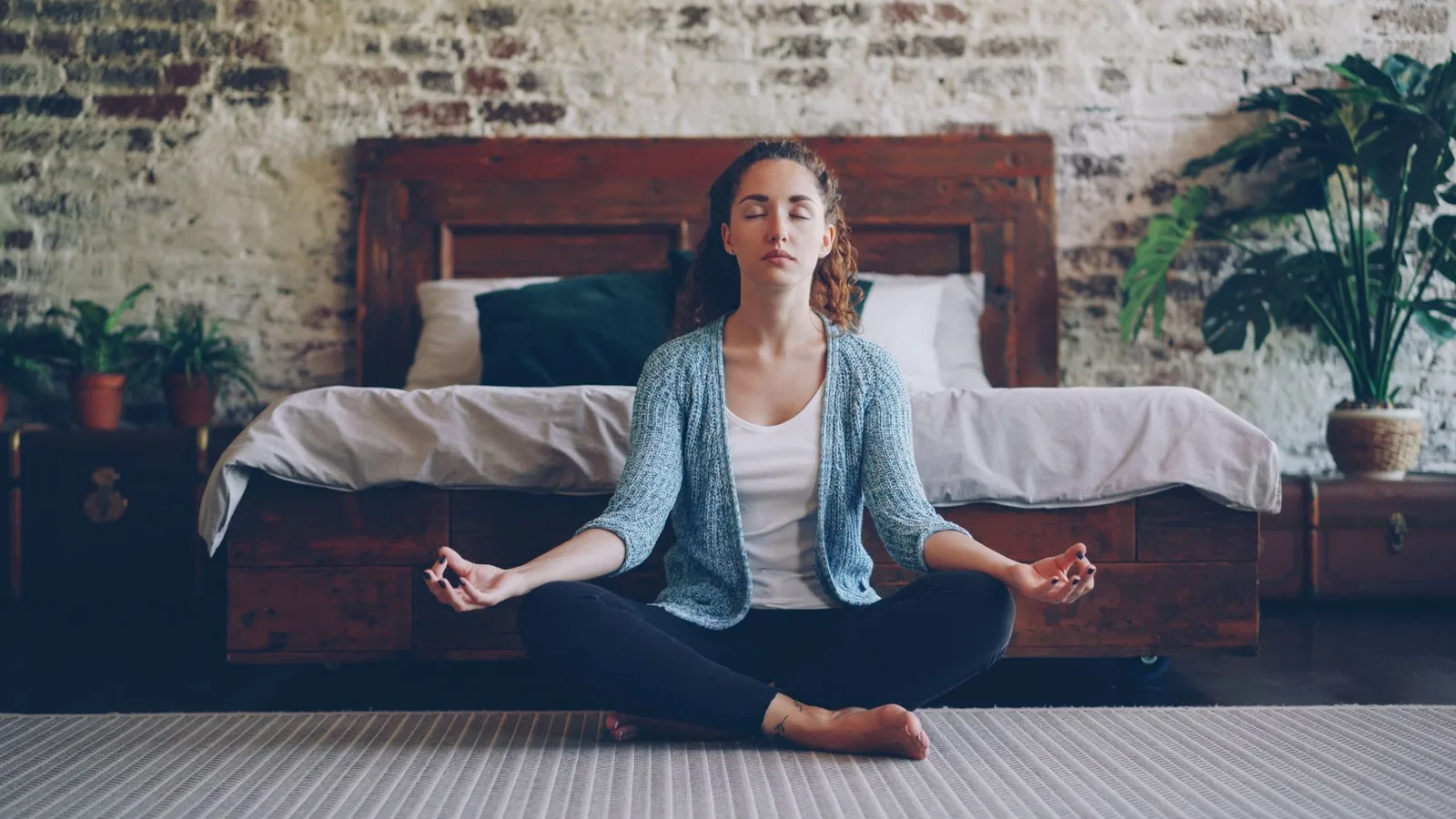
Mindfulness without the mystique.
Meditation, breathing and yoga can be ordinary skills for meeting a busy mind and tense body. We explain what these practices can realistically support, how to begin in small doses and why they do not replace needed healthcare.
Build an approachable practiceBody
Your body sends signals too.
Sleep, fatigue, movement and pain all shape emotional wellbeing. Education can help you prepare good questions and make supportive choices; it cannot diagnose the cause of a symptom.

A note on symptoms: Sudden, severe or unusual symptoms may need prompt medical assessment. Our content is educational and is not a diagnosis.
Healthy living
Healthy habits, not perfect routines.
The most useful routine is one that still works on an ordinary Tuesday. Start with a small anchor, reduce friction and let consistency grow gradually.

Life’s harder conversations
Care and clarity can share the same sentence.
Substance use, betrayal, sexual wellbeing, emotional pain and major transitions deserve language that protects dignity while staying honest about risk. We offer context, questions and next steps—not shame or guarantees.
Stories & perspectives
A wider view can create room to move.
Growth without hustle culture
Purpose can be quiet. Progress can include rest. Setbacks can inform your next decision without defining your worth.
Explore personal growth“A useful perspective does not deny pain. It helps you find the choices that remain.”eWellnessExpert editorial principle
हिंदी वेलनेस
स्वास्थ्य की बात, सहज भाषा में
माइग्रेन, तनाव, योग, रिश्तों और रोज़मर्रा की भावनात्मक सेहत पर संवेदनशील और उपयोगी लेख पढ़ें।
हिंदी में पढ़ें
Featured guides
Go deeper, at your own pace.
Mental Wellness: A Practical Guide to Stress, Emotions and Everyday Resilience
A connected framework for understanding what you feel, how stress works and what sustainable support can look like.
Read the guide →Guide 02 · ConnectionHealthy Relationships: Communication, Boundaries, Trust and Connection
Practical language for listening, conflict, repair, emotional safety and difficult relationship decisions.
Read the guide →Latest thinking
Useful reads for right now.
 Mental wellness · 9 min
When humor helps—and when it hides how you feel
A practical reset when life feels overwhelming
How stress changes the way couples communicate
A beginner’s guide to a calmer, kinder attention
Questions, answered
Frequently asked questions
What does whole-person wellness mean?
It means looking at how emotions, physical wellbeing, relationships, habits and life circumstances influence one another rather than treating each area as an isolated score.
Is this website a substitute for therapy or medical care?
No. eWellnessExpert provides general education. It cannot diagnose, treat or provide individual medical or mental-health advice.
How do you choose health sources?
We prefer current guidance from public-health agencies, professional associations, recognised medical institutions and peer-reviewed research, then explain it in plain language.
Can mindfulness help everyone?
Mindfulness can be useful for many people, but experiences vary and it is not a cure. Short, flexible practices are often a more comfortable starting point.
When should I seek professional help?
Consider professional support when distress is persistent, worsening, affecting daily life or making you feel unsafe. Urgent danger requires local emergency or crisis support.
How is the site funded?
Our editorial policies require clear labelling of sponsorships and commercial relationships. Advertising or partnerships never purchase a positive editorial conclusion.